Extreme Heat Continues Across Europe as Authorities Issue New Warnings
Several European countries remain under heat alerts as another period of unusually high temperatures affects parts of the continent. Authorities are warning residents to take precautions, while the extreme heat is beginning to affect energy production, transportation, and wildfire conditions.
Advertisement
Large parts of Europe continue to experience unusually high temperatures as another heatwave affects several countries, prompting governments to issue public health warnings and emergency measures. Officials are encouraging residents to stay hydrated, avoid prolonged exposure to the sun, and follow local safety guidance during the hottest hours of the day.
The prolonged heat is also placing additional pressure on critical infrastructure. In southern France, extremely warm seawater forced the temporary shutdown of the 930-megawatt Martigues gas-fired power plant because cooling water temperatures became too high for normal operations. At the same time, elevated river temperatures and low water levels have reduced electricity production at several nuclear facilities.
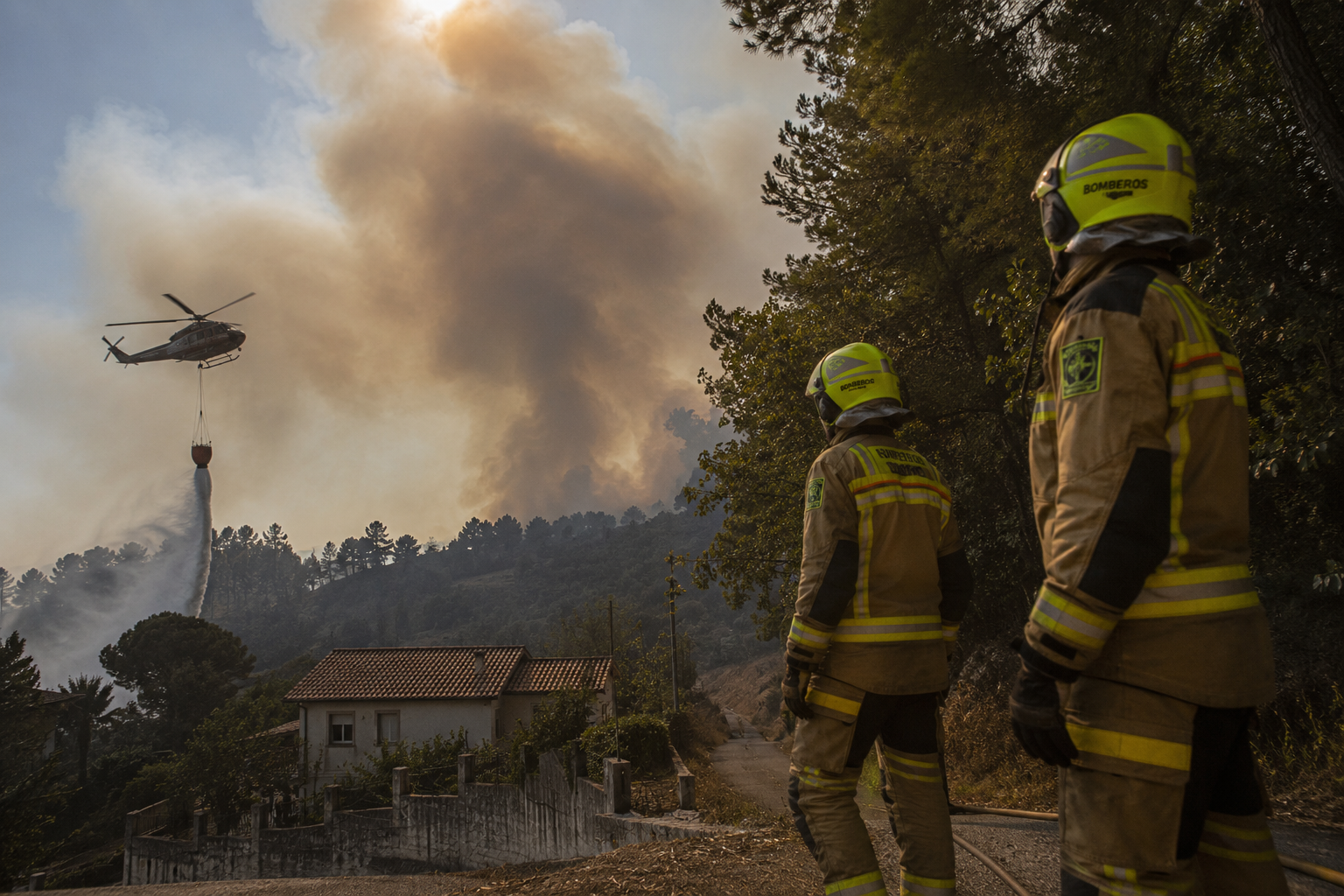
Authorities across Europe are also monitoring wildfire conditions closely. France and Spain have experienced one of their most severe wildfire seasons in recent years, with tens of thousands of hectares burned. Emergency services continue to battle multiple fires as dry vegetation and strong winds increase the risk of new outbreaks.
Meteorologists expect temperatures to ease in some regions over the coming days, but drought conditions remain a concern because many areas have received little rainfall since late spring. Experts warn that dry conditions could continue to affect agriculture, water supplies, and energy production throughout the summer.
Climate researchers say heatwaves are becoming more frequent and more intense, increasing pressure on public health systems, transportation networks, and power infrastructure. Governments across Europe are continuing to monitor conditions and update emergency response plans as the summer progresses.