U.S. Inflation Slows More Than Expected, Boosting Market Confidence
U.S. consumer inflation slowed more than economists expected in June, offering encouraging signs that price pressures may be easing. The latest figures lifted investor confidence and reduced expectations of an immediate interest rate increase by the Federal Reserve, although officials say inflation remains above their long-term target.
Advertisement
New data released by the U.S. Bureau of Labor Statistics shows that inflation slowed more than expected in June, providing a positive signal for consumers, businesses, and financial markets. The report indicates that the Consumer Price Index (CPI) rose 3.5% over the past 12 months, down from 4.2% in May. On a monthly basis, consumer prices fell 0.4%, the first monthly decline since 2020.
Economists had expected inflation to remain higher, making the report a welcome surprise for investors. Much of the slowdown was driven by lower gasoline and energy prices, which helped reduce overall consumer costs during the month. Core inflation, which excludes food and energy, also showed signs of easing, suggesting that underlying price pressures have moderated.
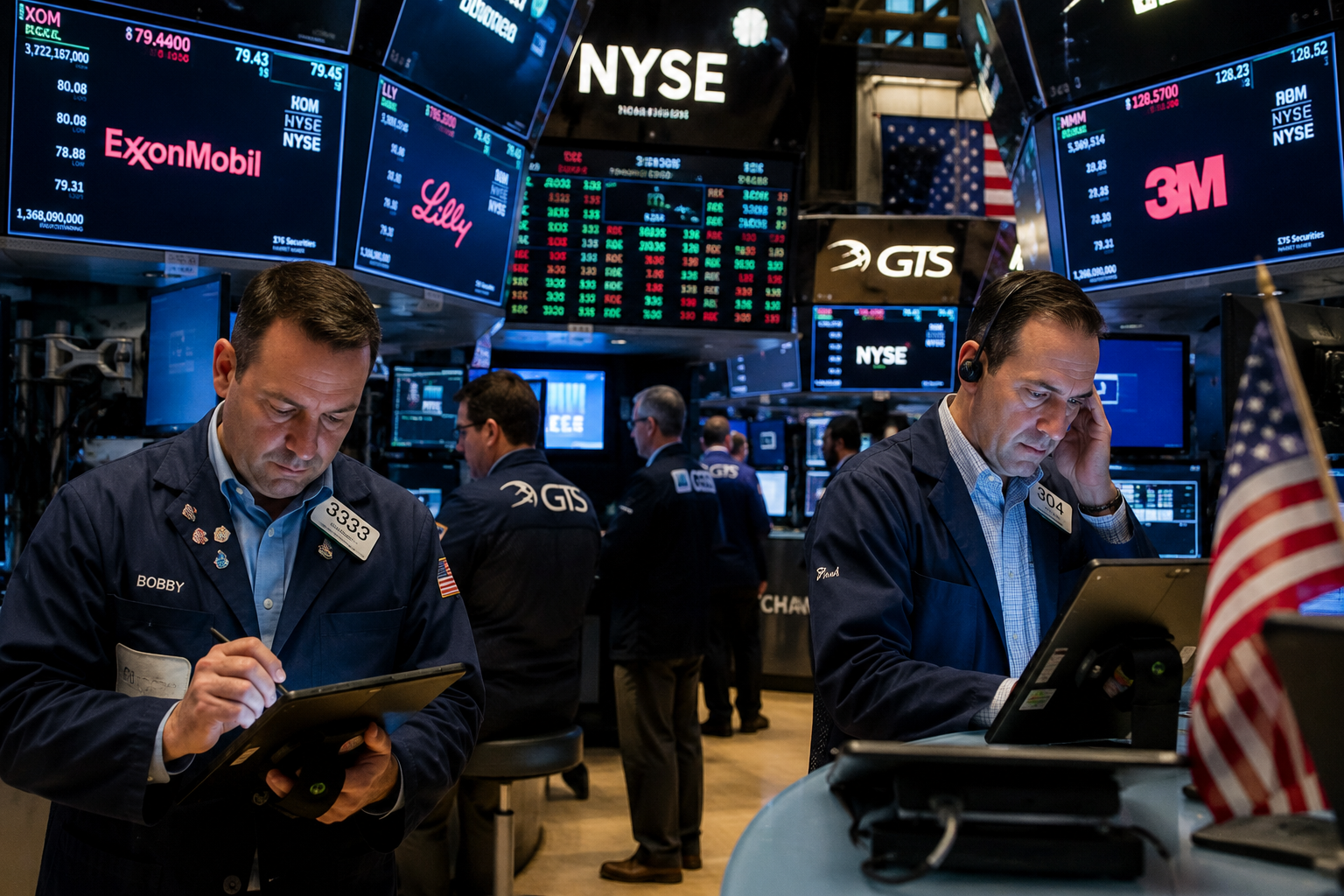
Financial markets responded positively to the report. Major U.S. stock indexes moved higher, Treasury yields declined, and the U.S. dollar weakened as investors reduced expectations that the Federal Reserve would raise interest rates in the near future.
Despite the encouraging figures, Federal Reserve officials cautioned that inflation is still above the central bank's long-term target of 2%. Policymakers say they will continue monitoring future economic data before making any decisions about interest rates later this year.
Analysts also noted that while lower energy prices contributed significantly to June's improvement, future inflation could still be influenced by changes in global energy markets and other economic factors. As a result, economists expect the Federal Reserve to remain cautious while evaluating upcoming inflation and employment reports.
The latest inflation report is viewed as an important indicator of the health of the U.S. economy and could influence financial markets, borrowing costs, and consumer spending in the months ahead.