NASA Launches Historic Mission to Rescue Aging Space Observatory
NASA has launched a first-of-its-kind mission to save the Neil Gehrels Swift Observatory, an aging space telescope whose orbit has been decaying faster than expected. If successful, the robotic mission could extend the observatory's scientific life by several years while demonstrating a new approach to servicing satellites in orbit.
Advertisement
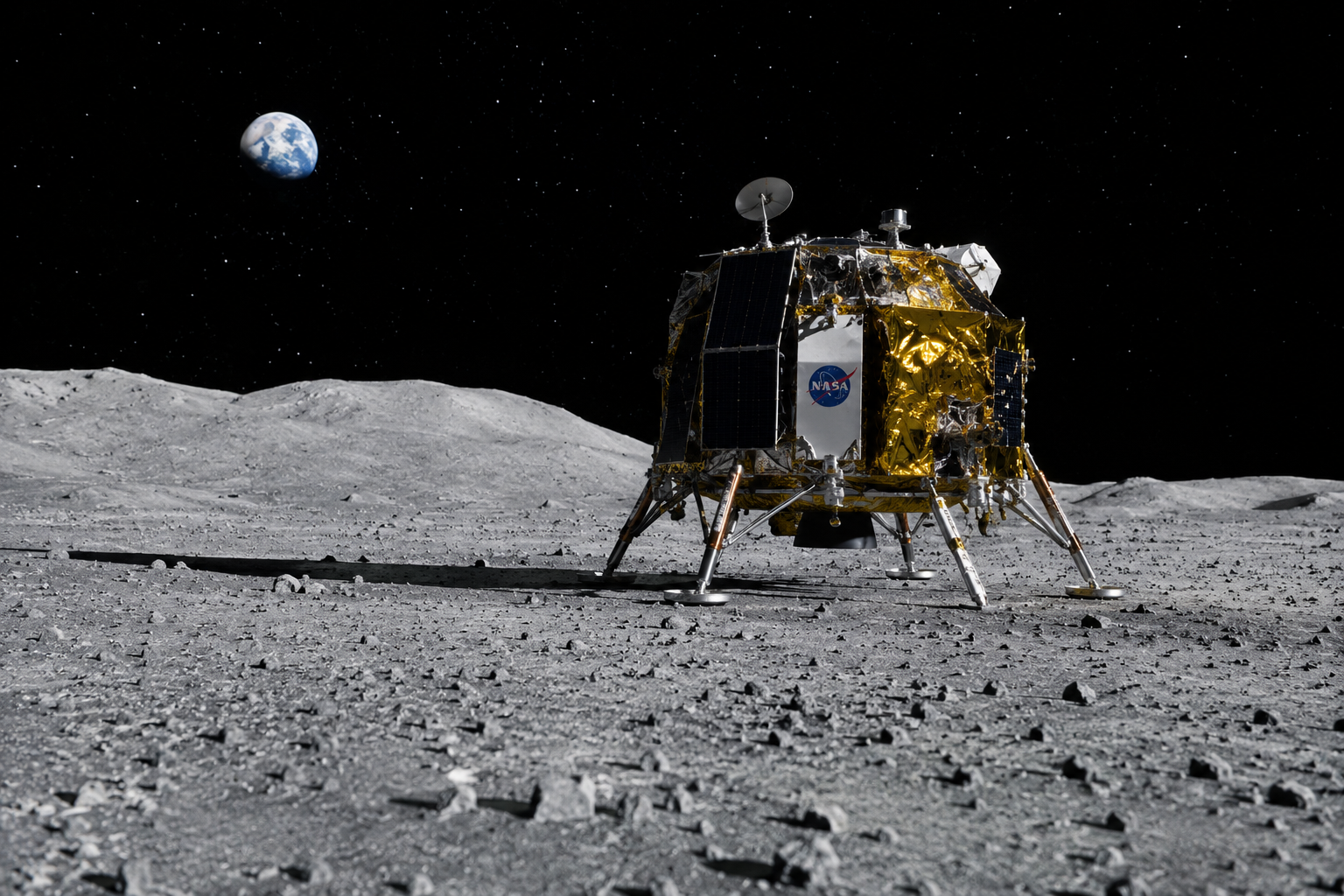
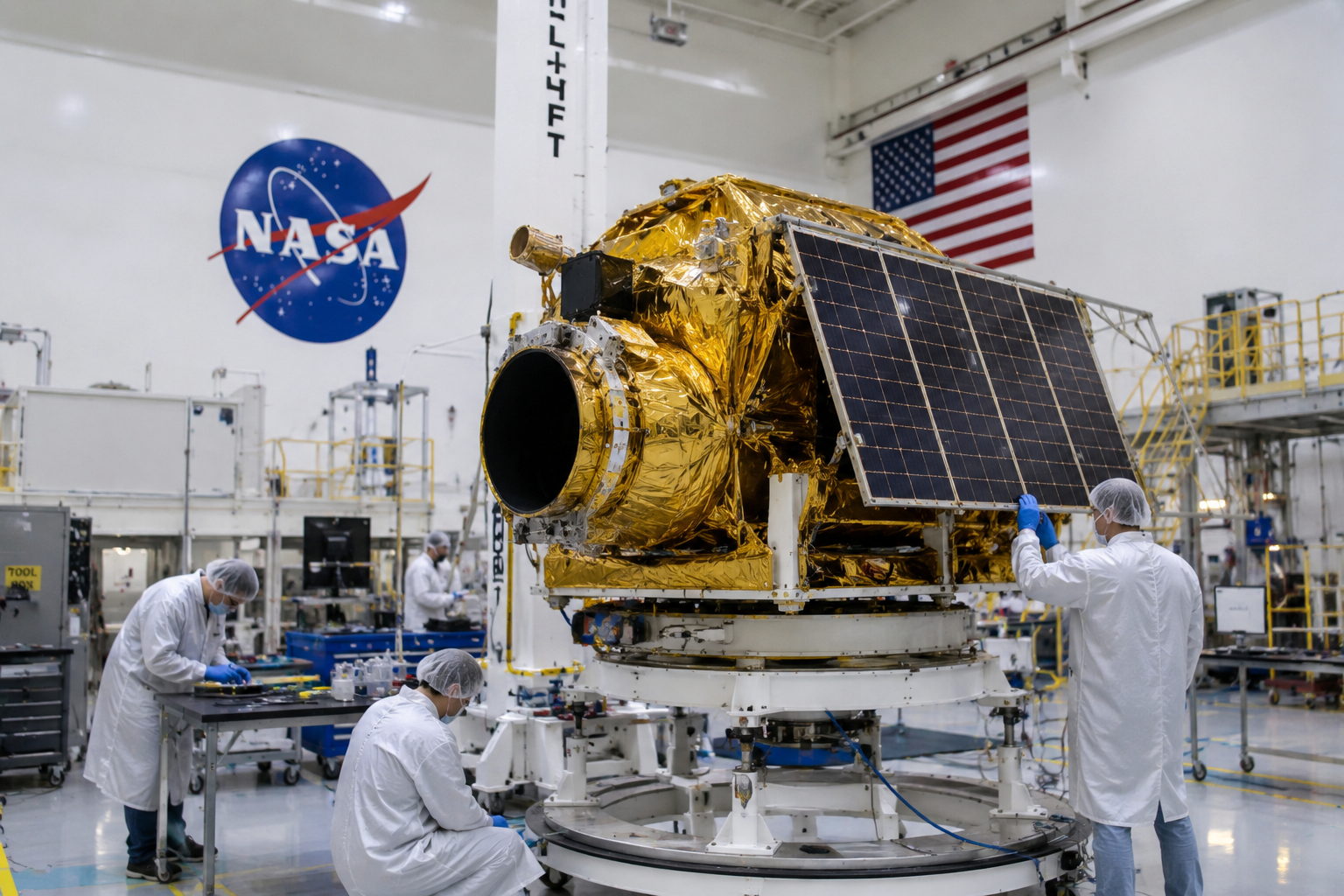
NASA has begun an unprecedented mission to rescue one of its most valuable space observatories before it falls back into Earth's atmosphere. The mission involves a robotic spacecraft named LINK, developed by Arizona-based startup Katalyst Space Technologies, which will attempt to rendezvous with the Neil Gehrels Swift Observatory and raise it into a safer orbit.
Originally launched in 2004, the Swift Observatory has spent more than two decades studying gamma-ray bursts, black holes, exploding stars and other high-energy cosmic events. Because the spacecraft was not built with its own propulsion system, increased atmospheric drag caused by recent solar activity has accelerated its orbital decay, putting the mission at risk of ending later this year.
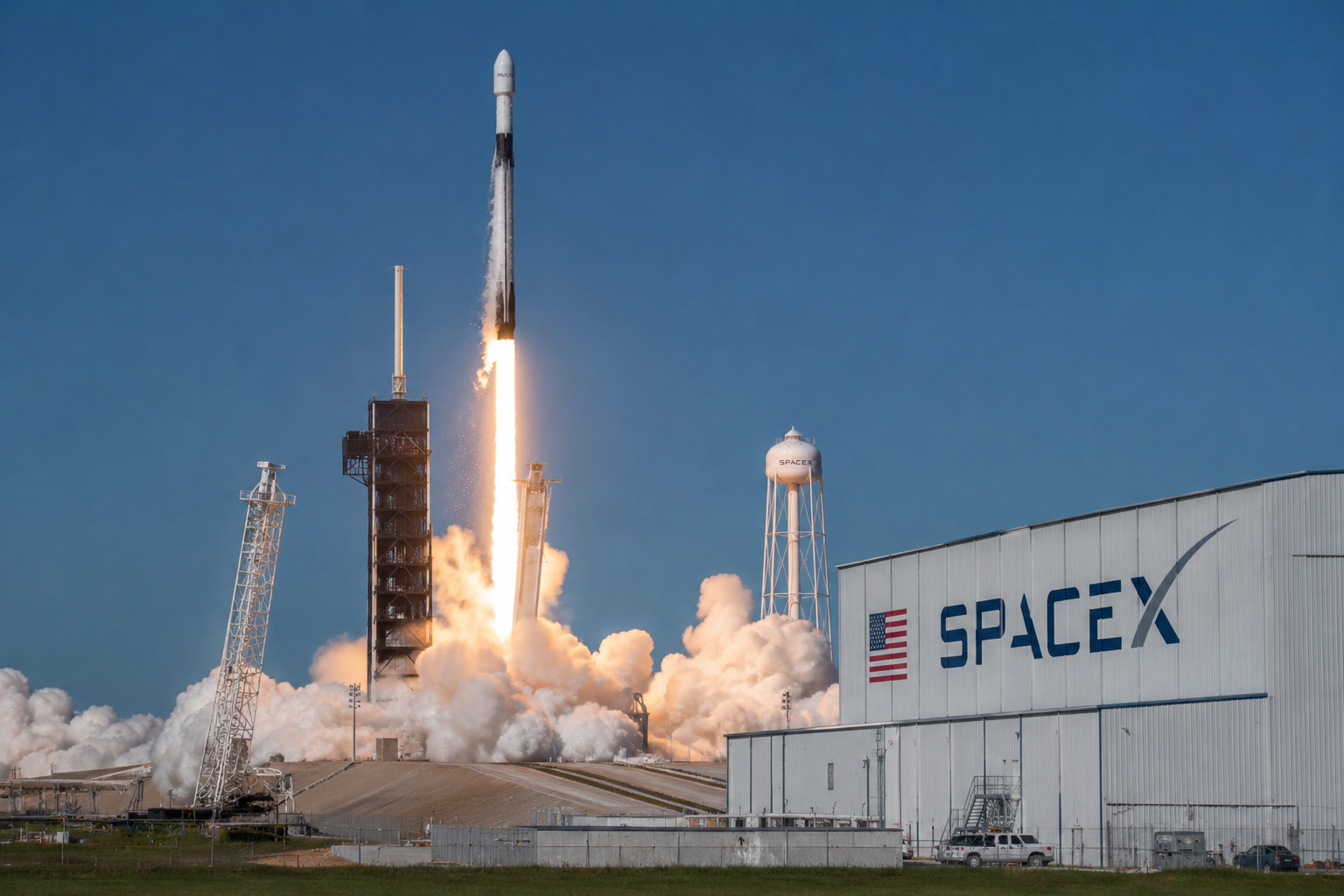
After weather delays and a brief technical issue, the LINK spacecraft was successfully launched aboard a Northrop Grumman Pegasus XL rocket released from a modified aircraft flying over the Pacific Ocean. Over the coming months, LINK will carefully approach Swift, use its robotic arms to capture the observatory and gradually boost it into a higher, more stable orbit.
NASA says the operation is the first attempt to rescue an active scientific satellite that was never designed for in-orbit servicing. Engineers describe the mission as technically challenging because Swift lacks dedicated docking hardware, requiring the robotic spacecraft to perform an extremely precise capture.
If the mission succeeds, Swift could continue providing valuable scientific observations for several more years while opening the door to future satellite repair, refueling and rescue missions. Experts believe the technology demonstrated during this project could eventually reduce space debris and extend the lifespan of expensive spacecraft already in orbit.