Scientists Warn Powerful El Niño Could Make 2027 One of the Hottest Years Ever Recorded
Climate scientists are closely monitoring the development of a new El Niño event that could contribute to exceptionally high global temperatures in 2027. Experts say the phenomenon may increase the likelihood of extreme heat waves, droughts, wildfires, flooding, and severe weather in many parts of the world.
Advertisement
Climate experts are warning that a developing El Niño pattern in the Pacific Ocean could contribute to making 2027 one of the hottest years ever recorded, raising concerns about increasingly extreme weather across the globe.
El Niño is a naturally occurring climate pattern that develops when sea surface temperatures in the central and eastern Pacific Ocean become warmer than average. Although it is a normal part of Earth's climate system, the event can significantly influence weather patterns on nearly every continent.
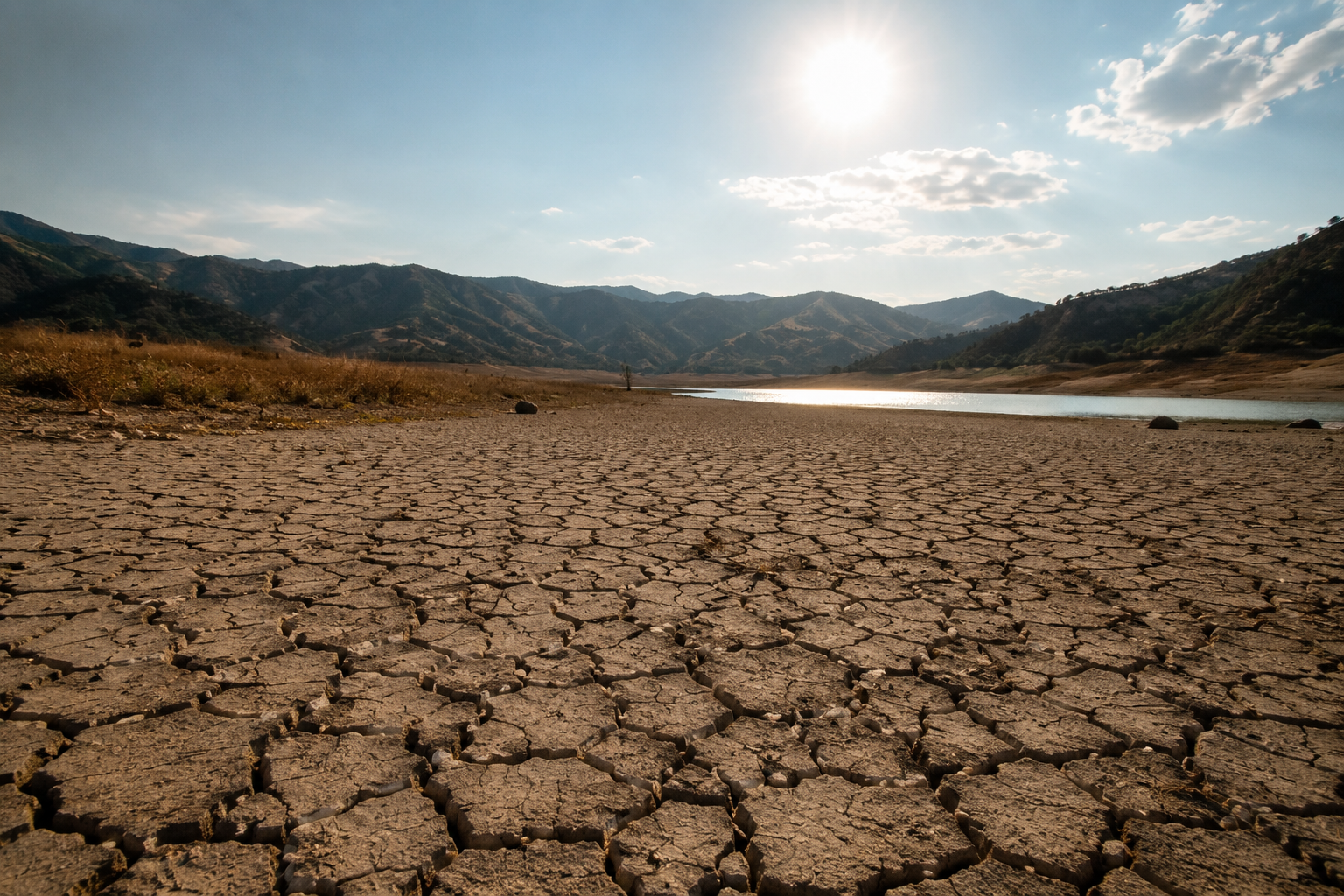
Researchers explain that when El Niño combines with long-term global warming, average global temperatures can rise even further. This combination has the potential to increase the frequency and intensity of dangerous heat waves, prolonged droughts, and destructive wildfires while also bringing heavier rainfall and flooding to other regions.
Scientists say communities could experience a wide range of impacts if the climate pattern strengthens over the coming months. Some areas may face water shortages as reservoirs decline, while agricultural regions could see lower crop production because of persistent heat and dry conditions. Elsewhere, stronger storms and periods of intense rainfall could increase the risk of flash flooding and infrastructure damage.
Health experts also warn that prolonged periods of extreme heat can place vulnerable populations at greater risk, particularly older adults, young children, and individuals with underlying medical conditions. Governments in several countries are already reviewing emergency response plans as they prepare for the possibility of another exceptionally warm year.
Climate agencies continue to monitor ocean temperatures and atmospheric conditions before determining the ultimate strength of the developing El Niño. Experts emphasize that seasonal forecasts are updated regularly as new observations become available, meaning the exact impacts will become clearer over the coming months.
Although uncertainty remains regarding the intensity of the event, scientists agree that preparing for hotter temperatures and more frequent extreme weather can help reduce risks to communities, agriculture, public health, and critical infrastructure around the world.